
Learning the Hard Way
Making Mistakes – Right Management

Management guru, Peter Drucker once said, “The better a man is, the more mistakes will he make– for the more new things he will try. I would never promote a man into a top level job who had not made mistakes, and big ones at that. Otherwise, he is sure to be mediocre.” At one time or another, everyone makes mistakes, some more catastrophic than others. But the trick is to effectively manage the mistake with humility so that it’s not career ending. Here are some tips to keep in mind when you have made a mistake at work.
 In two previous articles, we discussed results-based leadership and some of the possible methods of making that happen. I want to share with you some of the thoughts written by the late
  what we do, not the role we are in. Some people in “leadership roles” are excellent leaders. But too many are bosses, “snoopervisors,” technocrats, bureaucrats, managers, commanders, chiefs, and the like. Conversely, many people who have no formal leadership role are excellent leaders. In today’s fast changing world, we all need to be leaders.…
 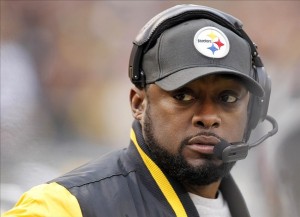 Much like a football team that is playing in the Super Bowl, having a game plan and the desire to win is important. Unfortunately, my Steelers will not have a chance to repeat this year. However, winning depends on execution. One of your primary roles as a leader is that of a coach. Coaches reinforce the results they believe people are capable of achieving.
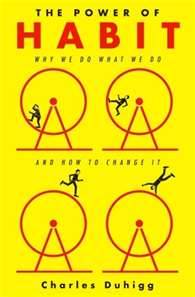 Every morning I have a routine to start my day. I get up, brush my teeth, floss, rinse with mouthwash, shower and put in my contact lens. If for some reason that routine is disturbed, I might find myself later in the day wondering why I can’t see well. Have you ever found yourself leaving home and going in the wrong direction in your car because you are not going to work that day, but to a different destination. These are two examples of the habits that develop over time into routines
 In our previous article,
  Those who have studied successful leaders over the last 300 years or more have found certain traits successful leaders had in common that accounted to their achievements.
 Successful leaders are individuals with high levels of personal power. Understanding the difference between personal power and granted authority is a significant distinction. Many people have the tendency to use the words authority and power interchangeably; however, these terms refer to two very different aspects of leadership.
 It is often the case that a Board of Directors, whether it is for a Fortune 500 company or a local non-profit, has to recruit and evaluate candidates for the position of CEO or President. When asked what they are looking for during this selection process, the most common answer is leadership. But why do they look for a candidate with leadership skills and how do they determine if that candidate will be an effective leader. Most importantly, they are looking for a person who can accomplish tasks and achieve results. Let’s consider that way first and then two models for determining an individual’s leadership ability.…
  Surveys of employees often ask what is the one attribute they look for in an effective leader. Trust always near the top of the list. Whether you are a manager, supervisor, salesman or team lead it is important to be trusted by those you deal with on a regular basis. Once that trust is lost, it is difficult to impossible to regained.Here are some suggestions on building and maintaining trust.…
  Success in your career depends upon how well you manage your professional development. A prime source of this development comes from being a member of a professional association that relates to your career. As a member, you can attend conferences where you advance your skills and meet people who can help you.
 Nine out of ten managers and leaders tell us that they wish they could make better use of their time. They look for programs in what is called Time Management. We have found that what is really needed is not a management program, but an overall strategy in determining the goals to be achieved and how they can be integrated into our daily workday habit…
 In difficult situations, when companies are in crisis and can only be saved by major effort, group morale often rises to far higher levels than before. Individual objections and objectives are bypassed in the collective drive to do what must be done. This is where recognition awards take importance. High group morale can enrich individual motivation and performance remarkably! These are two types of awards: planned and unplanned.
 organizations to provide managers with a structured approach to the key retention criteria.Simplistically, most people will feel motivated and will want to stay in their job if their manager:
 If you’re an employer or manager, then work place